
Why Box-Dye Shade Names Often Mislead Shoppers
Learn how shade names, undertones, developer strength, and starting color affect at-home hair-color results before you buy or apply.
Shade Names Are Starting Points, Not Guarantees
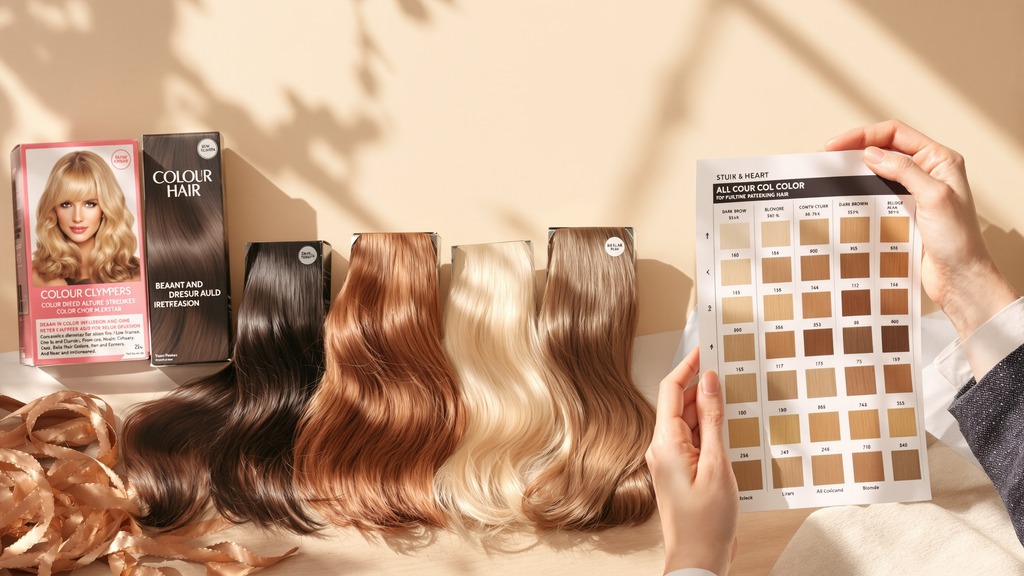
A box labeled “medium ash brown,” “golden blonde,” or “chocolate brunette” can sound precise, but shade names are not universal promises. Each brand uses its own numbering system, color vocabulary, and product technology. One company’s “dark blonde” may look like another brand’s light brown, while “natural” can mean a neutral formula designed to balance warmth rather than create a specific visible tone. This is why reading only the front of the package can lead to disappointing results.
The most important factor in hair color education is your starting canvas. Color generally cannot lighten previously colored hair reliably, and a formula applied to dark brown hair will not produce the same result as the identical formula on light blonde hair. Porosity, previous highlights, sun exposure, and gray percentage also change how hair absorbs pigment. Before choosing a product, compare your hair with the brand’s starting-shade chart and expected-result images. Treat the named shade as a guide, not a guarantee, and consider whether your goal is coverage, tone adjustment, or a dramatic transformation.
Undertones and Developer Strength Change the Result
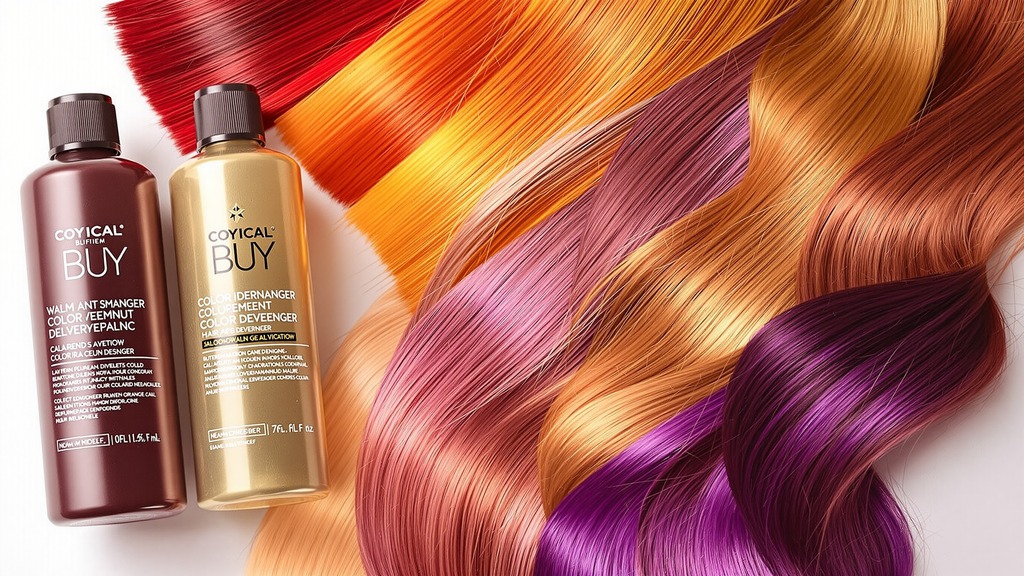
Every hair color has an underlying pigment, often revealed when hair is lightened. Dark hair typically exposes red or orange warmth; medium brown may reveal orange or gold; blonde hair can show yellow. A shade’s undertone—such as ash, gold, beige, copper, or violet—interacts with that exposed pigment. For example, an ash formula may help counter unwanted orange, while a golden formula can add warmth. Choosing the wrong undertone may leave hair looking brassy, muddy, overly cool, or unlike the picture on the package.
Developer strength matters too. Developer helps open the cuticle and activate color, but stronger is not automatically better. Lower strengths are commonly used for deposit or modest gray blending, while higher strengths may support more lift when the formula and hair condition allow it. The correct choice depends on the product system, starting level, desired result, and whether hair is virgin or previously colored. Never substitute developer casually or mix products from different lines. For safer shade selection, follow the manufacturer’s instructions and use a strand test to see how undertones and developer perform on your own hair.
A Practical Framework for Choosing At-Home Color

Before purchasing at-home hair color, answer four questions: What is my current shade, including visible gray? What result do I want—root maintenance, gray coverage, darkening, lightening, or a vivid tone? Is my hair virgin, previously colored, porous, or chemically treated? Finally, do I have sensitivities or scalp concerns that require extra caution? These answers are more useful than relying on a shade name alone. A guided hair-color selection process can turn them into a compatible formula, developer, tools, and aftercare plan.
Always perform the required patch test and follow the timing, ventilation, glove, and application instructions. Complete kits can reduce missing-supply problems, but they do not remove the need to check ingredients, instructions, and compatibility. If you want a major color change, have heavily processed hair, or are uncertain about correction, consult a licensed professional. Take photos in consistent lighting and keep notes about the formula and date; this makes future replenishment more accurate. The safest approach to hair color education is to treat every application as a personalized process—not a simple promise printed on a box.